



Crawl Space Water Damage: Causes, Risks, and Prevention Tips
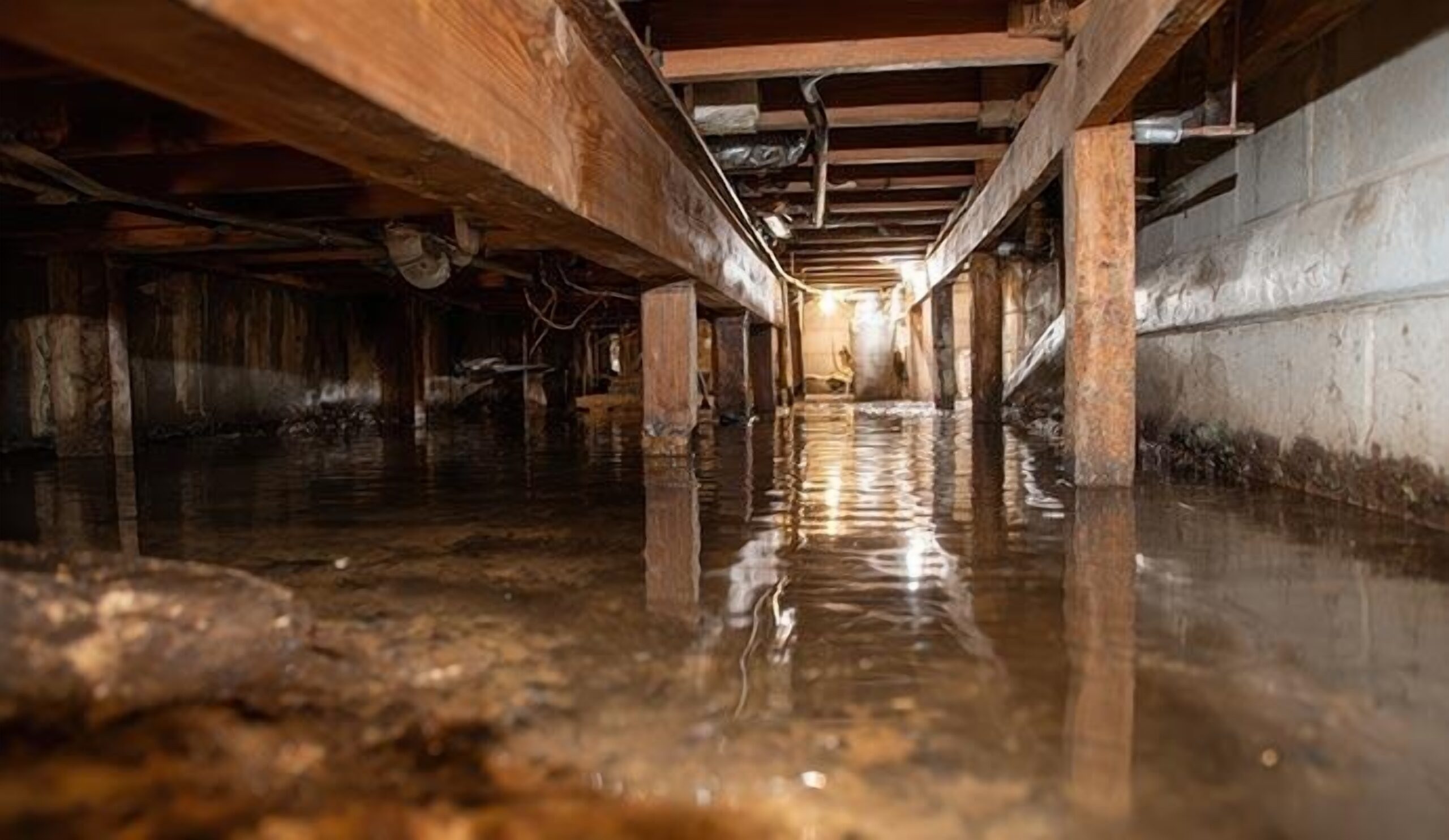
If you look inside any crawl space around your home, you’ll find that water damage is a common concern. Because a crawl space is tucked away underneath your house, it is easy to ignore excess moisture. Even a few inches of water can lead to major problems when left untreated for too long.
By knowing what leads to crawl space water damage and the threats it can pose to your home, you can take proactive steps to prevent and mitigate it, potentially saving thousands of dollars. With expert repairs and maintenance, you can preserve your home.
What Causes Crawl Space Water Damage?
There are several factors that can allow water to enter or accumulate underneath your home. Recognizing where the water is coming from is the first step toward preventing additional damage.
1. Inadequate Drainage Near the House
If rainwater isn't properly directed away, it may collect alongside your home's foundation and penetrate your crawl space. This problem can become worse when gutters are clogged, downspouts are broken, or the soil isn't graded correctly.
2. Plumbing Leaks
Leaking water pipes, broken fittings, or defective plumbing lines can introduce water underneath your house. Even a small plumbing leak can create significant moisture problems over time.
3. High Rainfall and Flooding
Heavy downpours, storms, and flooding are common reasons groundwater enters a crawl space. Homes located in areas with a high water table or poor drainage are more susceptible to groundwater intrusion.
4. High Humidity and Condensation
Moisture doesn't always come from standing water. When warm, moist air enters a cooler crawl space, condensation can form on pipes, walls, and wooden structures. Proper ventilation and other moisture-control measures may be needed.
Typical Problems Associated With Water Damage in a Crawl Space
Over time, moisture can spread and lead to various structural and indoor air quality problems.
Mold and Mildew Development
A damp, dark crawl space creates an environment where mold and mildew can develop. Mold can grow on wood, insulation, and other building materials. Mold spores may also travel throughout your home if disturbed.
Structural Wood Damage
Wooden floor joists, support beams, and subfloor materials can retain moisture. The longer the moisture remains, the greater the chance of wood rot and structural deterioration.
Unpleasant Odors
Musty smells often result from standing water and excess moisture. These odors may be noticeable around floors and can affect the air quality in your living areas.
Pest and Insect Troubles
A damp crawl space can attract termites, insects, and other pests. These unwanted visitors may cause additional damage that requires repairs.
Poor Indoor Air Quality
Air from the crawl space can flow into the living areas of your house. Mold, high moisture levels, and unpleasant odors underneath your home can affect indoor air quality.
How To Detect Crawl Space Water Damage
Because crawl spaces are not inspected regularly, homeowners should be aware of warning signs both inside and outside their homes.
Typical symptoms include:
- Musty mold and mildew odors coming from floors or lower areas of the house.
- Visible standing water beneath the house.
- Damp or sagging insulation.
- Mold or mildew on wooden surfaces.
- Soft, damaged, or discolored floorboards.
- Increased humidity inside the home.
- Signs of insects or other pests.
Tips for Preventing Crawl Space Water Damage
Maintaining your crawl space is generally easier and less costly than repairing long-term water damage. Here are some practical ways to protect your property.
1. Keep Good Drainage
Keep your gutters clean and direct downspouts away from your home's foundation. Check the grading around your house to make sure the soil slopes away from the foundation.
2. Fix Plumbing Leaks Immediately
Regularly check accessible pipes and your home's plumbing system. If you discover a leak, arrange for repairs promptly instead of allowing water to accumulate underneath your home.
3. Use a Vapor Barrier
A vapor barrier can help prevent moisture from the soil from entering your crawl space. When installed correctly between the soil and crawl space, it can reduce moisture-related problems.
4. Control Humidity
Consider using a dehumidifier when appropriate to manage crawl space moisture. Monitor humidity levels and address condensation before it develops into a bigger issue.
5. Inspect Your Crawl Space Regularly
Look for standing water, plumbing leaks, pipe cracks, mold, unusual odors, and damaged insulation. Regular inspections can help you identify small problems before they become expensive repairs.
6. Seek Professional Water Damage Restoration
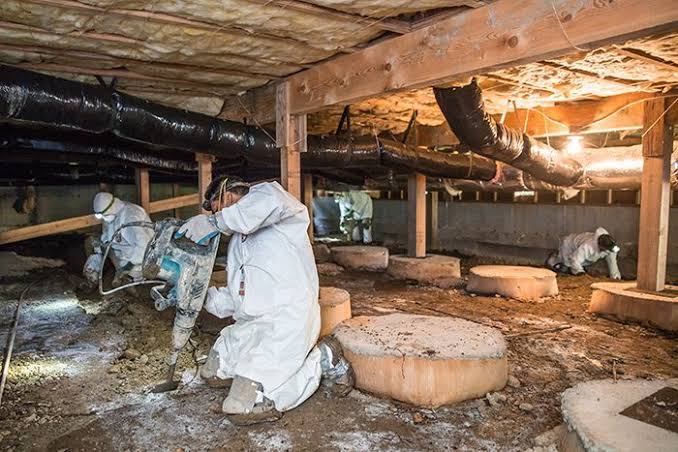
If your crawl space floods, accumulates significant moisture, or shows signs of water damage, contact a professional restoration company. Professionals can assess the area, remove standing water, dry affected materials, and check for damage.
How Professional Restoration Can Help
If water enters your crawl space, removing the standing water alone may not completely solve the problem. Moisture can remain hidden deep inside wooden structures, insulation, and hard-to-reach areas.
Professional water damage restoration involves identifying the source of water, removing standing water, drying affected materials, and inspecting the building for remaining damage. Restoration is also important for determining what repairs and moisture-control measures may be necessary.
If you are a homeowner looking for professional assistance, TechVine Technology provides information about water damage restoration solutions.
Protect Your Home From Water Damage
Don't let hidden moisture turn into a costly property problem. Explore professional water damage restoration solutions and take the next step toward protecting your home.
Explore Water Damage RestorationFinal Thoughts
Don't overlook crawl space water damage. Crawl space moisture may begin with a simple plumbing leak or clogged drain but can quickly lead to mold and wood damage, pest problems, and extensive structural repairs.
One of the most effective ways to safeguard your home is to maintain proper drainage and moisture control, inspect your crawl space regularly, and act promptly whenever water intrusion occurs.
If damage has already taken place, professional water damage restoration can help address moisture problems and protect your property's structure.
Act now to keep your crawl space dry, preserve your home's structure, and maintain a healthier living environment.
Frequently Asked Questions (FAQs) About Crawl Space Water Damage
1. What is the cause of crawl space water damage?
Clogged drains, plumbing leaks, a leaking toilet, faulty gutters, high humidity, and rainstorms are some common causes of water damage in a crawl space.
2. What are the signs of water damage in a crawl space?
Common warning signs include pooling or standing water, musty odors, visible mold, wet insulation, rotting or warped wood, sagging floors, and increased moisture inside the home.
3. Does water damage in the crawl space lead to mold?
Yes. Excess moisture on wooden beams, insulation, and other materials can allow mold and mildew to develop. Addressing the moisture problem promptly can help prevent further growth.
4. How do I prevent water damage in my crawl space?
You can reduce moisture problems by maintaining proper drainage, cleaning gutters, fixing plumbing leaks, installing a vapor barrier, controlling humidity, and performing regular crawl space inspections.
5. Is standing water in a crawl space dangerous?
Standing water can create several problems if left untreated, including wood damage, mold growth, pest infestations, and unpleasant odors. It is important to identify the source and remove the water promptly.