


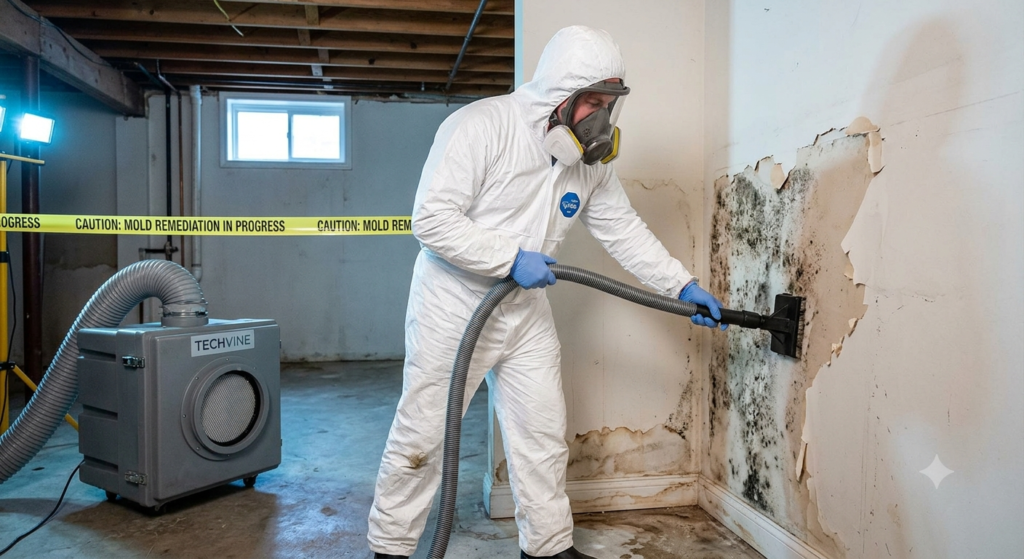
The Techvine Guide to Mold Remediation After Water Damage Services
A water damage event—be it a burst pipe, a leaking roof, or a flash flood—is a stressful crisis. The immediate cleanup, the drying of carpets, and the salvaging of personal items dominate the first 48 hours. But once the standing water is gone and the surfaces feel dry, a silent, secondary threat often begins to take root behind walls, under floorboards, and inside HVAC systems. Mold. This invasive fungi thrives on the moisture left behind, turning a structural issue into a serious health hazard. At Techvine, we understand that true recovery requires addressing this hidden danger with specialized, professional Mold Remediation After Water Damage Services.
In this article, we will explore why immediate, expert intervention is essential, the biological imperative that drives mold growth after a water event, and how Techvine’s comprehensive remediation process restores not just your property, but your peace of mind.
The Biological Race: Why Water Triggers Mold Growth
Mold spores are everywhere, both indoors and out. Under normal, dry conditions, they are harmless and inactive. However, they require only three things to activate and begin colonizing: a food source (like drywall, wood, or carpet), oxygen, and moisture. Following water damage, your home provides all three in abundance.
The critical timeframe is surprisingly short. If materials remain wet for more than 24 to 48 hours, dormant mold spores can activate and start visible growth. This is the biological “golden window” where professional intervention makes the biggest difference.
When you engage Mold Remediation After Water Damage Services, you aren’t just cleaning up a mess; you are actively halting a biological invasion. DIY efforts, such as spraying bleach on visible spots, only address the surface. They fail to reach the deep root structure (hyphae) of the mold embedded in porous materials and do nothing to prevent dormant spores from activating elsewhere as humidity levels fluctuate. Professional services address the root cause and the systemic spore issue.
The Hidden Health Risks of Water-Induced Mold
Ignoring or improperly addressing mold after a water event introduces serious long-term risks to both your property’s structural integrity and your family’s health. Mold digests organic material, meaning it will slowly but surely destroy the structure of your home, weakening wooden studs and ruining drywall.
More concerning are the health implications. Exposure to mold can trigger wide-ranging health problems, especially for children, the elderly, and individuals with existing respiratory issues. Symptoms can include:
-
Respiratory Distress: Chronic coughing, wheezing, and shortness of breath.
-
Allergic Reactions: Sneezing, watery eyes, skin rashes, and runny noses.
-
Asthma Attacks: Aggravation of symptoms in asthmatic individuals.
-
Chronic Fatigue and Headaches.
Certain types of mold, often referred to as “toxic mold” (such as Stachybotrys chartarum), can produce mycotoxins that are linked to even more serious health complications. Comprehensive Mold Remediation After Water Damage Services ensure that these hazards are identified, contained, and completely eliminated.
Techvine’s Professional Approach to Mold Remediation
Techvine doesn’t just patch over a problem; we use a structured, scientific approach to ensure complete decontamination. Our multi-step remediation process, guided by industry standards, includes:
1. Detailed Inspection and Assessment
We begin by deploying advanced moisture detection technology, such as thermal imaging cameras and hygrometers. We don’t just look for visible mold; we find the moisture pockets inside wall cavities and subfloors where mold thrives. This assessment determines the scope of the contamination and allows us to create a precise remediation plan.
2. Robust Containment
The biggest risk during mold cleanup is cross-contamination – accidentally spreading mold spores to unaffected areas of your property. We establish critical containment zones using heavy-duty plastic sheeting and negative air pressure machines equipped with HEPA filtration. This ensures that any spores disturbed during the cleanup process are captured and filtered out of your indoor air.
3. Filtration and Air Scrubbing
Even after containment is set, the air inside the affected area must be purified. We use industrial-grade air scrubbers and high-efficiency particulate air (HEPA) vacuums to continuously filter the air, removing microscopic mold spores that are invisible to the naked eye.
4. Physical Remediation and Removal
This is the core cleaning phase. Our certified technicians carefully remove and dispose of non-salvageable materials (like contaminated insulation or severely water-damaged drywall). For structural elements that can be saved (like solid wood framing), we use specialized techniques, including wire brushing, sanding, and antimicrobial treatments, to kill mold at the root and physically remove it.
5. Cleaning and Sanitization
We perform a deep, comprehensive cleaning of all restorable surfaces. This includes treating the area with professional-grade, EPA-registered antimicrobials and sanitizers to prevent future mold growth. We also offer specialized cleaning services for textiles and personal belongings that may have been affected.
6. Final Structural Drying
Mold cannot survive without moisture. After the physical cleaning is complete, we run high-capacity commercial dehumidifiers and air movers to ensure the entire structure is returned to a dry standard. This critical final step ensures that the conditions that allowed the mold to grow are permanently eliminated.
Swift Action is Your Best Defense
The most critical factor in controlling mold after a water disaster is time. Delaying the decision to call for Mold Remediation After Water Damage Services increases the cost of repairs, worsens structural damage, and maximizes health risks. If you experience a significant water event, don’t just focus on the visible liquid. Call Techvine immediately to address the entire contamination landscape, ensuring that your home remains safe, healthy, and structurally sound for years to come.