



Water Damage Restoration in Dallas, TX: Everything You Need to Know
Water damage can happen unexpectedly because of a burst pipe, leaking appliance, overflowing toilet, roof leak, or severe storm. Once water enters a property, it can spread across floors, walls, ceilings, and building materials, potentially causing costly damage. Professional water damage restoration in Dallas, TX can help property owners remove standing water, dry affected areas, and plan necessary repairs. TechVine Home Services helps homeowners and property owners connect with independent local service providers for restoration support.
If your property has been affected by a plumbing leak, indoor flooding, or storm-related water intrusion, acting promptly can help limit further damage. The right restoration approach depends on the source of the water, the materials affected, and how far moisture has spread.
Water Damage Restoration Services in Dallas
Every home and commercial property is different. Some situations require standing water removal, while others involve moisture hidden behind flooring, inside walls, or above ceilings. A proper assessment helps determine the affected areas and the next steps for drying and restoration.
1. Emergency Water Extraction and Removal
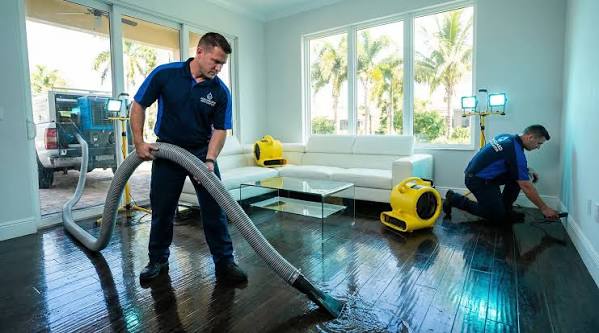
Standing water can damage carpets, furniture, flooring, and other belongings. Water extraction is often one of the first steps in the restoration process, once the affected area has been confirmed safe to enter.
Depending on the situation, the work may include:
- Removing standing water from affected rooms and floors.
- Extracting water from carpets and other materials that can be cleaned and salvaged.
- Inspecting visibly wet materials to understand the extent of the damage.
- Identifying areas that need additional drying beyond the visibly wet surfaces.
- Planning the next restoration steps based on the inspection findings.
If water damage results from a plumbing failure or indoor flood, prompt removal of standing water can help limit how far the water spreads. If a plumbing issue is the cause, you may also need plumbing services to address the source of the leak.
2. Structural Drying and Dehumidification
Removing visible water is important, but moisture can remain inside drywall, wooden framing, subfloors, cabinets, and other building materials after the surface looks dry. Structural drying helps remove this trapped moisture and reduce the risk of secondary damage.
A drying plan may include:
- Inspecting affected walls, ceilings, and flooring.
- Using suitable air movers and drying equipment.
- Running dehumidifiers to help control excess indoor moisture.
- Monitoring moisture levels during the drying process.
- Identifying materials that may need repair or replacement.
Appropriate drying and moisture monitoring can help reduce persistent odors, material deterioration, and conditions that may support mold growth.
3. Flood Damage Cleanup and Restoration
Flooding can affect houses, apartments, offices, retail spaces, and other commercial properties. Heavy rainfall, drainage problems, burst pipes, and water entering through damaged roof areas can all lead to indoor water damage.
Depending on the property and the type of water involved, flood cleanup may include:
- Assessing flood-affected rooms and materials.
- Removing standing water and debris where appropriate.
- Cleaning affected surfaces using suitable methods.
- Evaluating damaged building materials.
- Preparing a drying and restoration plan.
4. Broken Pipe and Plumbing Leak Cleanup
A burst pipe or leaking plumbing connection can send water into walls, ceilings, cabinets, and floors. Even after the leak is stopped, surrounding materials may remain saturated. A restoration provider can assess the affected area and help determine which materials may be dried and which may need replacement.
The process may involve water removal, moisture checks, structural drying, and coordination with a plumber to repair the source of the leak. Addressing the original cause is an important part of reducing the chance of repeat damage.
Mold Prevention and Moisture Management

Water damage can create conditions that support mold growth when moisture is not removed. However, water damage does not automatically mean mold will develop. The risk depends on factors such as moisture levels, the materials affected, and how quickly the area is dried.
A restoration plan may include checking for persistent moisture, drying affected materials, and recommending additional evaluation if visible mold or signs of microbial growth are present. Mold remediation may require a separate scope of work based on the extent of growth and the affected materials.
Residential and Commercial Water Damage Restoration
Water damage can interrupt daily life at home and disrupt normal business operations. The restoration plan should reflect the property's size, construction materials, purpose, and the extent of the damage.
- Homes and apartments: Kitchens, bathrooms, bedrooms, basements, and other affected areas may need water removal, drying, cleaning, or repairs.
- Offices and retail spaces: Restoration planning may consider furniture, equipment, inventory, work areas, and safe access to unaffected parts of the building.
- Rental and other commercial properties: The work may need to account for tenants, business operations, damaged contents, and the condition of building materials.
A clear assessment helps property owners understand the work that may be needed and make informed decisions about the recovery process.
Our Water Damage Restoration Process
Each water damage incident is different, but a structured process can help ensure important steps are considered from the initial inspection through the final evaluation.
Step 1: Initial Assessment
The affected area is inspected to identify the likely source of the water, determine which rooms and materials are impacted, and check whether moisture may be hidden from view.
Step 2: Water Extraction
When the area is safe to enter, standing water is removed from affected spaces using suitable extraction equipment.
Step 3: Drying and Dehumidification
Air movers and dehumidifiers can help dry affected building materials. Moisture readings help determine where equipment is needed and whether further drying is required.
Step 4: Cleaning and Sanitizing
Affected surfaces are cleaned using methods appropriate to the water source and the materials involved. Contaminated water may require additional precautions and specialized handling.
Step 5: Restoration and Repairs
Drywall, flooring, trim, insulation, and other materials may need repair or replacement depending on the inspection findings and their condition.
Step 6: Final Evaluation
The affected areas are reviewed to determine whether additional drying, cleaning, or repairs are needed before the work is considered complete.
For more general guidance, explore our resource on water damage restoration services in the USA.
Why Water Damage Should Be Addressed Quickly
Delaying cleanup can allow moisture to spread into additional materials and may make restoration more complicated. Timely action can help property owners:
- Reduce standing water in the property.
- Identify moisture that is hidden behind walls or under flooring.
- Protect salvageable belongings where practical.
- Dry affected materials and reduce conditions that may support mold growth.
- Plan repairs based on the actual condition of damaged materials.
- Document affected areas for property records and potential insurance needs.
Not every item or material can be saved. The appropriate response depends on the water source, how long materials have been wet, and the extent of the damage.
What to Do After Discovering Water Damage
- Put safety first. Stay away from standing water if electrical hazards may be present. Do not touch switches or electrical equipment in wet areas.
- Stop the water source if safe. Turn off the water supply if a leaking pipe or appliance is responsible and you can do so safely.
- Document the damage. When safe, take photos of affected rooms and belongings for your records and any potential insurance claim.
- Keep away from contaminated water. Avoid direct contact with floodwater or sewage and seek professional assistance.
- Ask about the full scope of work. Discuss extraction, moisture inspection, drying, cleanup, and repairs with the provider.
Looking for Water Damage Restoration in Dallas, TX?
Whether you are dealing with a flooded room, a leaking appliance, a burst pipe, or storm-related water intrusion, the first step is understanding the extent of the damage. TechVine Home Services can help property owners begin looking for independent local providers and learn what restoration options may be available.
When contacting a provider, explain what happened, which areas are affected, and whether water is still entering the property. Ask about availability, qualifications, pricing, and the exact services included before agreeing to the work.
For additional homeowner information, you can browse our water damage restoration resources.
How to Help Prevent Future Water Damage
Not every water emergency can be prevented, but routine checks may help identify some problems before they cause extensive damage.
- Inspect pipes, faucets, and appliance connections for leaks.
- Keep gutters and downspouts clear so rainwater can drain away from the property.
- Check the roof for visible damage and signs of leakage.
- Maintain drainage around the foundation.
- Consider leak detectors near water-using appliances and water heaters.
- Review your property's flood risk and understand what your insurance policy covers.
Insurance coverage depends on the source of the water and the terms of the policy. Flood damage from rising or overflowing water may be treated differently from certain sudden internal water leaks, so review your policy with your insurance provider.
Conclusion: Get the Right Help for Water Damage in Dallas
Water damage can affect your property's floors, walls, belongings, and everyday use. Whether the cause is a plumbing leak, flooded room, appliance failure, or storm, prioritize safety and arrange an appropriate assessment promptly.
TechVine Home Services can help you begin your search for independent local providers offering water damage restoration in Dallas, TX. Confirm the provider's qualifications, price, availability, and proposed scope of work before proceeding.
Need Help Finding Water Damage Restoration in Dallas?
Take the next step toward addressing water damage and exploring local service options for your property.
Call: +1 833 457 9804
WhatsApp: +1 469 572 2601
TechVine Home Services helps homeowners search for local providers. Restoration work is performed by independent third-party providers. Availability, response times, prices, and service terms may vary. Verify a provider's qualifications, insurance, and proposed scope of work before hiring.
Frequently Asked Questions
What are the common causes of water damage in Dallas homes?
Common causes include burst or leaking pipes, appliance leaks, roof leaks, heavy rain, and flooding. Regular maintenance may help identify some problems early.
Can I request emergency water damage restoration in Dallas, TX?
You can contact local providers to ask about urgent service. Availability and arrival times depend on the independent provider and current conditions, so confirm these details directly.
How can I find water damage restoration services in Dallas?
Visit our Dallas water damage restoration page to learn how TechVine Home Services helps homeowners start a connection with independent local providers.
Can water damage be hidden behind walls or beneath floors?
Yes. Water can move behind drywall, beneath flooring, and into insulation. A suitable inspection and moisture-detection equipment can help identify affected areas.
How can I reduce the risk of flooding or water leaks?
Inspect plumbing connections, maintain the roof and gutters, check appliance hoses, monitor unusual water usage, and repair leaks promptly. Knowing where the main shut-off valve is located can also help during a plumbing emergency.