



Water Damage Restoration in Houston, TX: Solutions for Flooded Basements and Homes
Water damage often happens suddenly because of a plumbing leak, burst pipe, heavy downpour, appliance overflow, or flood. As water spreads through building materials, it can damage flooring, walls, furniture, and personal belongings—and lingering moisture may encourage mold growth. Acting quickly can help limit additional damage and clarify what needs to be done next.
TechVine Home Services helps connect homeowners and businesses with independent local service providers for water damage restoration in Houston, TX. From standing water and wet drywall to damaged flooring and storm-related water intrusion, our service connection can help you begin looking for local assistance.
Depending on the situation and provider availability, services may include water removal, water damage cleanup, structural drying, flood damage repair, and restoration-related work. Call +1 833 457 9804 or message +1 469 572 2601 on WhatsApp to get started.
Water Damage Restoration Services in Houston

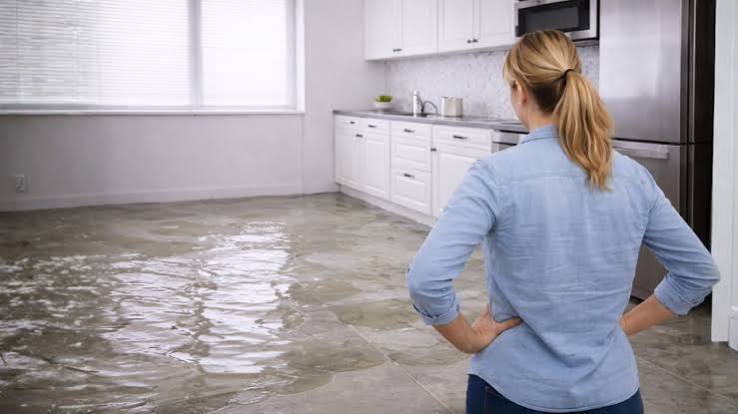
The right response depends on the source of the water, the materials affected, and the extent of the damage. Through our service connection process, TechVine Home Services can help you look for independent local providers who may offer the following services.
1. Emergency Water Extraction
Water can soak into carpets, flooring, upholstery, and other porous materials. Removing standing water promptly can reduce the amount absorbed by building materials and help prepare the area for drying. If a leak or flood affects your home or business, ask potential providers about their availability, expected response time, and equipment.
2. Water Extraction and Structural Drying
Restoration involves more than removing visible water. Moisture can remain under carpets, inside drywall, behind baseboards, and beneath flooring. Providers may use extraction equipment, air movers, dehumidifiers, and moisture meters to remove water and monitor the drying process.
When comparing providers, ask how they check for hidden moisture and how they determine when affected materials are sufficiently dry.
3. Flood Damage Cleanup and Repair
Flooding can result from heavy rain, overwhelmed drainage, or water entering the property from outside. Floodwater may contain contaminants and can damage belongings or building materials that require special handling. If the water source is unknown or contamination is possible, avoid contact and seek qualified professional assistance.
4. Water Damage Cleanup
A flooded property may contain dirt, residue, unpleasant odors, debris, and damaged household materials. The appropriate cleanup method depends on the water source and the items affected. Before approving work, ask the provider to explain the proposed cleaning methods, products, disposal process, and total estimated cost.
5. Water Damage Repair and Restoration
After water has been extracted and the structure has dried, some materials may still need repair or replacement. Damaged drywall, insulation, flooring, baseboards, cabinets, and other building components may require attention. Confirm whether the provider handles repair work directly or coordinates with another contractor, and request a clear scope of work.
For broader guidance, explore our related resource on water damage restoration services in the USA.
Common Causes of Water Damage in Houston, TX
Water damage can affect properties of any age or size. Knowing the likely source can help you explain the problem when requesting an assessment.
- Burst or leaking pipes: Damaged supply lines and loose plumbing connections can send water into walls, ceilings, cabinets, and floors. Even a small leak can become a larger issue if it goes unnoticed.
- Heavy rainfall and flooding: Intense rain and drainage problems can allow water into homes, garages, and commercial spaces. Floodwater may require specialized cleanup.
- Roof leaks and storm damage: Damaged shingles, flashing, or wind-related openings can let rainwater reach ceilings, insulation, and interior walls.
- Appliance and plumbing failures: Washing machines, dishwashers, water heaters, and refrigerator supply lines can leak or overflow.
- HVAC and air-conditioning leaks: Clogged condensate lines or overflowing drain pans may allow water to reach walls, ceilings, and flooring.
Identifying and safely addressing the source is an important first step. If the problem involves a plumbing leak, you can also review our plumbing services page.
Why Timely Water Damage Restoration Matters
Water can move through porous materials and become trapped in places that are difficult to see. Delayed drying may contribute to further deterioration, persistent odors, and mold growth. The U.S. Environmental Protection Agency recommends drying water-damaged areas and items within 24–48 hours when possible to help prevent mold growth; the right approach depends on the materials and the extent of the damage.
After discovering water damage, consider these priorities:
- Stop additional water from entering the property if it is safe to do so.
- Identify affected rooms, materials, furniture, and belongings.
- Arrange water extraction where needed.
- Check moisture levels in floors, walls, and other building materials.
- Determine whether contaminated water or damaged materials require specialized handling.
- Plan repairs or replacement for items that cannot be restored.
Residential and Commercial Water Damage Restoration
The work required depends on the property size, construction, water source, and extent of damage. Both homes and commercial buildings can be affected by leaks, appliance overflows, roof damage, or flooding.
Residential Water Damage Services
Water damage may affect bedrooms, kitchens, bathrooms, living rooms, garages, and other areas of a home. Ask the provider to assess flooring, drywall, insulation, furniture, and personal belongings to determine which items may be dried or cleaned and which may need replacement.
Commercial Water Damage Services
Offices, retail stores, rental properties, and other commercial buildings may experience damage that disrupts employees, customers, inventory, and day-to-day operations. Water extraction, moisture assessment, structural drying, cleanup, and repair coordination may be part of the recovery process.
Business owners and property managers should ask about the affected areas, work limitations, expected timeline, and the full scope of services before authorizing work.
Steps to Help Prevent Future Water Damage
Not every water emergency can be prevented, but regular maintenance may help identify some problems before they become more serious.
- Inspect visible plumbing connections and appliance supply hoses for leaks or wear.
- Look for damp areas around sinks, toilets, and water heaters.
- Keep gutters and drains clear of debris.
- Check roofs, ceilings, and window seals for signs of leakage.
- Keep air-conditioning condensate drains clear.
- Learn where the emergency water shutoff is located.
- Investigate persistent musty smells, unexplained stains, or recurring dampness.
If water damage occurs despite regular maintenance, a prompt assessment can help determine the next steps.
How to Choose a Water Damage Restoration Provider
Before hiring a provider, ask practical questions so you understand the work being proposed.
- Experience: Ask whether they have handled similar leaks, floods, or storm damage.
- Availability: Confirm response times and whether the provider can attend when you need help.
- Qualifications and insurance: Request applicable credentials and proof of insurance.
- Written estimate: Clarify what is included in the price and whether additional work costs extra.
- Scope of work: Check whether extraction, drying, cleanup, removal of damaged materials, and repairs are included or quoted separately.
- Documentation: Ask whether the provider can supply photos, moisture readings, or a summary of work performed.
You can also browse our water damage restoration resources for additional homeowner guidance.
How TechVine Home Services Can Help
Finding help after a leak or flood can feel overwhelming. TechVine Home Services helps people begin their search for independent local providers offering water damage restoration in Houston, TX. Depending on provider availability, you can ask about emergency water extraction, structural drying, cleanup, flood damage restoration, and related repair services.
Explain what happened—such as a flooded room, burst pipe, appliance leak, or storm-related water intrusion—and ask the provider about availability, qualifications, pricing, and the proposed scope of work.
TechVine Home Services provides a service connection to help customers search for local providers. Restoration work is performed by independent third-party providers. Availability, response times, prices, and service terms may vary. Verify a provider's qualifications, insurance, and proposed scope of work before hiring.
Frequently Asked Questions
What is water damage restoration?
Water damage cleanup involves removing any accumulated water, drying the areas impacted by the leak or spill, cleaning affected surfaces, and repairing water-damaged property. In some cases, it also includes moisture testing and water prevention.
How much does Houston TX water damage restoration cost?
The price varies by severity of the damage, the volume of water, material affected, and the machinery and repairs needed. Ask a local certified business about what the cost would likely be for your home.
How soon do I need to deal with my water in the house?
You must take care of the water damage quickly but safely. Prompt drying can aid in the overall damage caused by water, minimize the moisture in the area and also, prevent the growth of mold. Keep out of the afflicted area if the potential for electric shock or contaminated water exists.
How long does water damage restoration take?
The repair time varies depending on the extent of the damage, what materials are impacted, and the drying conditions. A few days for minor incidents, while it can take months for severe flooding and repairs to the structure.
Can a flooded basement be restored?
If you are asking yourself “can my flooded basement be fixed,” the answer is most likely yes. Depending on how much water was in the basement, the type of water, the condition of the items or surfaces, and what repairs are needed, the method to fix a flooded basement will vary.