



Water damage can happen unexpectedly and cause serious problems for homes and businesses. A leaking pipe, overflowing appliance, roof leak, or sudden storm can allow water to spread through floors, walls, ceilings, and other building materials. If moisture is not addressed promptly, it may lead to structural deterioration, unpleasant odors, and mold growth.
If you are dealing with water damage, finding the right help is an important first step. Water damage restoration in Orlando, FL, can involve water removal, cleanup, drying, and repairs to help return an affected property to a safe and usable condition. This guide explains common causes of water damage, the restoration process, and what to consider when looking for local assistance.
Need help after water damage? Start by identifying the source of the water, when it is safe to do so. If the damage involves an active plumbing leak, you may also need emergency plumbing services to address the underlying problem.
Why Water Damage Restoration Is Important in Orlando, FL
Orlando's weather, heavy rainfall, humidity, plumbing issues, and everyday household accidents can all contribute to water damage. Even a relatively small leak can affect more than the visible surface. Water may travel beneath flooring, enter wall cavities, soak insulation, or collect in areas that are difficult to inspect.
Quick attention can help limit the spread of moisture and reduce the risk of further property damage. Professional restoration services may use specialized extraction equipment, air movers, and dehumidifiers to remove standing water and dry affected areas.
The appropriate restoration approach depends on the source of the water, the amount of damage, the materials involved, and how long the area has remained wet. A qualified local provider can assess these conditions and explain the next steps.
Common Causes of Water Damage in Orlando Homes and Businesses

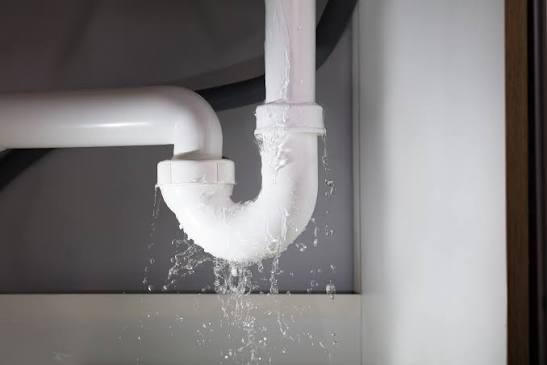
Water damage can develop in many different ways. Understanding the possible causes can help property owners recognize problems early and determine when professional assistance may be needed.
1. Plumbing Leaks and Burst Pipes
Leaking supply lines, damaged pipes, loose connections, and burst plumbing can release water into kitchens, bathrooms, utility rooms, and other areas. Hidden leaks may go unnoticed until flooring begins to warp, paint starts peeling, or damp spots appear on walls.
If the water is coming from an active plumbing problem, stopping the source is essential before restoration can be completed.
2. Heavy Rain and Storm-Related Water Intrusion
Heavy rainfall can expose roof leaks, overwhelm drainage systems, and allow water to enter through vulnerable parts of a building. Water may collect around foundations, enter garages, or damage interior rooms if openings are not properly sealed.
After a storm, check for visible leaks and signs of moisture when it is safe to do so. Avoid entering areas with electrical hazards or unstable building materials.
3. Appliance Leaks and Overflowing Fixtures
Washing machines, dishwashers, refrigerators, water heaters, sinks, and toilets can all cause water damage if a hose fails, a connection loosens, or a fixture overflows.
Water from an appliance may spread under cabinets or flooring, making it important to inspect nearby areas rather than focusing only on the visible puddle.
4. Roof and Ceiling Leaks
Damaged shingles, worn flashing, roof penetrations, and other roofing problems can allow water to enter the attic and ceiling. Signs may include water stains, bubbling paint, sagging drywall, or dripping water.
Ceiling damage should be assessed carefully. A waterlogged ceiling can become unstable, so keep people away from visibly sagging areas and seek appropriate professional assistance.
5. Drainage Problems and Flooding
Blocked drains, overflowing gutters, poor exterior drainage, and stormwater intrusion can introduce water into buildings. Floodwater may contain contaminants, depending on its source, and can require specialized handling.
Do not assume that floodwater is clean. Avoid direct contact with potentially contaminated water and follow appropriate safety guidance.
Water Damage Restoration Services in Orlando, FL
Restoration needs vary from one property to another. Depending on the condition of the building and the source of the water, local providers may offer several services as part of the recovery process.
Emergency Water Extraction
Standing water should be removed as quickly as conditions safely allow. Water extraction equipment can help remove accumulated water from floors and other accessible areas. Prompt extraction may reduce the amount of moisture absorbed by building materials.
Water Cleanup and Damage Assessment
After the water source is addressed, affected areas can be inspected to determine the extent of the damage. A restoration assessment may identify wet materials, visible damage, potential contamination, and areas that need additional attention.
Structural Drying and Dehumidification
Removing visible water does not always mean that the property is dry. Moisture can remain in drywall, wood, flooring, and other materials. Air movers and dehumidifiers may be used to support drying, while moisture measurements help track progress.
Flood Damage Restoration
Flood-related damage may require water removal, cleaning, drying, and the careful evaluation of affected materials. The correct procedure depends on the type of floodwater and the extent of contamination.
A qualified provider can explain which materials may be cleaned and dried and which may require removal or replacement.
Carpet and Flooring Restoration
Water can affect carpets, padding, laminate, hardwood, tile assemblies, and subflooring. The appropriate response depends on the flooring material, the water source, and how long moisture has been present.
Some materials may be salvageable, while others may need to be removed and replaced to address trapped moisture or contamination.
Ceiling and Wall Repairs
Water intrusion can cause drywall damage, peeling paint, staining, and deterioration of interior finishes. Once the source has been corrected and the affected area has been properly assessed and dried, repair work may be necessary to restore the appearance and function of the space.
Commercial Water Damage Restoration
Offices, retail locations, rental properties, and other commercial buildings may need a coordinated response after water damage. Depending on the situation, restoration may include water extraction, drying, cleanup, and repairs to affected areas.
Business owners should ask providers about their experience with commercial properties, scheduling, documentation, and plans for limiting disruption where possible.
The Water Damage Restoration Process
Although every situation is different, a typical water damage restoration project may involve several important stages.
-
Identify and address the water source.
The first step is to stop the water from continuing to enter the property, if it is safe to do so. This may involve shutting off a water supply or arranging repairs to a damaged pipe, appliance, roof, or other source. -
Inspect the affected areas.
The property is assessed to determine where water has spread, which materials are affected, and whether any immediate safety concerns need attention. -
Remove standing water.
Appropriate extraction equipment may be used to remove accessible water from floors and other affected areas. -
Dry the building materials.
Air movers, dehumidifiers, and moisture monitoring may be used to help dry the property. Hidden moisture should also be considered during this stage. -
Clean and address damaged materials.
Depending on the water source and the materials involved, cleaning, sanitizing, removal, or replacement may be required. -
Complete necessary repairs.
Once the affected areas have been appropriately addressed, repair work may include replacing damaged drywall, flooring, insulation, paint, or other building materials.
Important: Do not enter an area with standing water if electrical equipment or outlets may be affected. Avoid touching electrical devices in wet areas, and contact the appropriate professionals if there is a risk of electrical shock, structural instability, or contaminated water.
What to Do When You Discover Water Damage
Taking sensible steps after discovering water damage may help protect your property and reduce additional problems.
- Stop the water source if you can do so safely.
- Keep people away from hazards, including standing water near electrical systems and visibly damaged ceilings.
- Move unaffected belongings away from the wet area when it is safe and practical.
- Document the damage with photographs or videos for your records and, if applicable, your insurance claim.
- Contact your insurance company to ask about policy requirements, documentation, and next steps.
- Arrange an assessment if water has reached building materials, the source is unclear, or the damage extends beyond a minor spill.
Avoid using household fans or electrical equipment in areas where electrical safety is uncertain. Also, do not cover up damp materials with paint or new flooring before the underlying moisture problem has been addressed.
How to Choose a Water Damage Restoration Provider in Orlando
Choosing a suitable restoration provider can help you understand the work required and the steps involved in recovering your property. Before making a decision, consider the following factors.
- Relevant experience: Ask whether the provider has handled damage similar to yours, such as plumbing leaks, storm-related water intrusion, or commercial property damage.
- Clear assessment: Look for a provider that explains the affected areas, recommended services, and expected restoration stages.
- Drying and monitoring: Ask how moisture will be evaluated and how the provider will determine when drying is complete.
- Written estimates: Request a clear description of the proposed work and any known costs before authorizing non-emergency repairs.
- Insurance documentation: Ask what photographs, reports, estimates, or other records the provider can supply to support your documentation process.
- Communication: Choose a provider that explains the process, answers questions, and keeps you informed about the work.
You can also explore additional information through the water damage restoration resources available on our website.
Preventing Future Water Damage
Although not every water damage incident can be prevented, regular maintenance and early attention to warning signs can help reduce certain risks.
- Inspect plumbing connections: Check visible pipes, hoses, and connections for leaks or signs of wear.
- Maintain appliances: Follow manufacturer guidance for inspecting washing machine hoses, water heaters, and other water-using appliances.
- Check the roof: Arrange inspections and repairs when you notice missing shingles, damaged flashing, or signs of water intrusion.
- Keep drainage areas clear: Maintain gutters and downspouts so rainwater can drain away from the building appropriately.
- Look for early warning signs: Pay attention to musty odors, water stains, peeling paint, and unexplained increases in water use.
- Address leaks promptly: Do not ignore a slow drip or recurring damp spot, as moisture can spread into concealed areas.
Routine checks are particularly useful before and after periods of heavy rainfall. If you notice a persistent leak or damp area, investigate the cause rather than simply covering up the visible damage.
Frequently Asked Questions About Water Damage Restoration in Orlando, FL
1. How quickly should water damage be addressed?
Water damage should be assessed as soon as reasonably possible. Promptly addressing the water source and removing standing water can help limit additional damage. The exact response depends on the amount of water, the materials affected, and any safety concerns.
2. How long does water damage restoration take?
The timeline depends on the size of the affected area, the amount of water, the materials involved, and the extent of the repairs. Drying may take several days in some situations, while larger projects involving material replacement can take longer.
3. Can water-damaged flooring and drywall be saved?
Sometimes. The decision depends on the type of material, the source of the water, the length of exposure, and the extent of the damage. Some materials can be dried and repaired, while others may need to be removed or replaced.
4. Can water damage lead to mold growth?
Yes. Persistent moisture can create conditions that support mold growth. Addressing the source of the water and drying affected materials promptly can help reduce this risk. If mold is suspected, an appropriate assessment may be needed.
5. Does homeowners insurance cover water damage restoration?
Coverage depends on your specific policy, the source of the water, and the circumstances of the damage. Contact your insurer to understand your coverage, deductible, documentation requirements, and any applicable exclusions.
6. What should I do if a pipe bursts in my home?
If it is safe, shut off the water supply and keep away from any electrical hazards. Protect unaffected belongings where practical, document the damage, and contact an appropriate plumbing professional to address the leak. Restoration assistance may be needed if water has spread into floors, walls, or other building materials.
7. How can I find water damage restoration services in Orlando?
Start by identifying the type and extent of the damage. Compare local providers based on their relevant experience, assessment process, communication, written estimates, and ability to explain the recommended work. Techvine Home Services can help connect customers with independent local service providers.
Get Help With Water Damage Restoration in Orlando, FL
Water damage can disrupt daily life, damage valuable belongings, and affect important parts of your property. Whether the problem involves a leaking pipe, an overflowing appliance, storm-related water intrusion, or damaged flooring, identifying the source and addressing the moisture are important steps toward recovery.
By acting promptly, documenting the damage, and choosing an appropriate local provider, you can better understand your restoration options and work toward returning your property to a usable condition.
For more information about services in your area, visit our Water Damage Restoration in Orlando, FL page or explore our other water damage restoration resources.
Looking for Water Damage Restoration in Orlando?
Get connected with independent local service providers who may be able to help with your water damage restoration needs.
Explore Orlando Services Call +1 833 457 9804 WhatsApp UsDisclaimer: Techvine Home Services connects customers with independent local service providers. Services, availability, pricing, and results depend on the individual provider and the details of each project. Confirm the scope of work, credentials, pricing, and applicable terms directly with the provider before proceeding.