



What to Do When Your Basement Floods in Jacksonville: A Complete Guide
A flooded basement can become a nightmare for your home, whether you face heavy rains, a leaky faucet, drainage problems, or high groundwater. Your home’s walls, floors, furniture, and personal possessions can be damaged when water floods your basement. The sooner you take action when your Jacksonville basement floods, the more likely you are to minimize the loss.

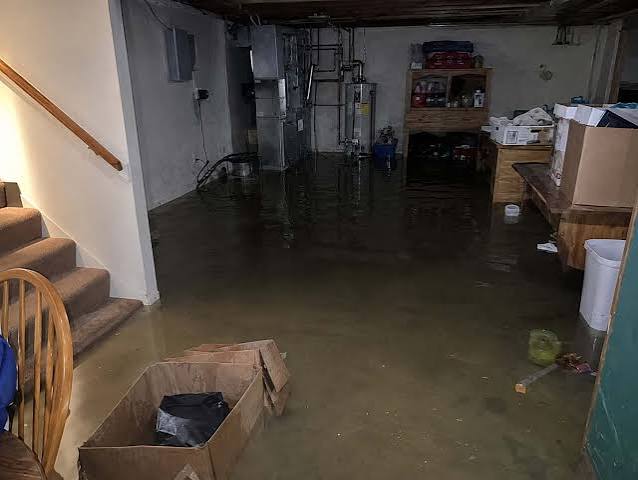
Any type of basement flooding should not be ignored. Even a small amount of water can cause severe damage, unpleasant smells, and mold growth if it is not removed properly. Acting quickly and contacting restoration professionals can make the recovery process easier.
In this guide, we will explain what to do after a basement flood, common causes of basement flooding, and how professional water damage restoration can help.
1. Stay Safe and Be Aware of Your Surroundings
Your safety should always come first when your basement floods. Before entering the area, consider whether electrical wiring, outlets, or appliances may be submerged.
Follow these important safety precautions:
- Do not walk through standing water if there is a possibility of electrical hazards.
- Avoid using electrical appliances or switches in flooded areas.
- Keep children and pets away from the flooded basement.
- Watch for damaged walls, ceilings, and other structural hazards.
- Call emergency services if you believe there is an immediate risk of electrical or structural failure.
If you suspect an electrical hazard, do not enter the basement. Contact a licensed electrician or your utility provider for assistance.
When considering what to do when your basement floods in Jacksonville, protecting everyone in your home should always be your first priority.
2. Determine the Origin of the Water
Once the area is safe, try to identify where the water is coming from. Understanding the source is important because cleaning the basement will not solve the problem unless the cause of flooding is addressed.
Some common causes of basement flooding in Jacksonville include:
- Heavy Rainfall: Heavy rain can overwhelm drainage systems, causing water to back up and enter lower areas of your home.
- Clogged Drainage Systems: Blocked drains can cause water backups that may lead to leaks inside the building.
- Drainage Problems: Clogged gutters, blocked downspouts, or yard slopes directing water toward your house can increase the risk of flooding.
- Foundation Cracks: Small cracks in basement walls or floors can allow groundwater to enter.
- Sump Pump Failure: A malfunctioning sump pump may allow excess groundwater to accumulate in your basement.
If a broken pipe is responsible for the flooding, turn off the water supply if it is safe to do so. If the source is unclear, seek professional assistance to identify and fix the problem.
3. Eliminate Accumulated Water Promptly
Standing water can stain, warp, and damage flooring, drywall, wooden fixtures, furniture, and personal belongings. Every moment water remains in your basement increases the possibility of additional property damage.
Water-removal devices may be suitable for small, safe situations. However, significant flooding generally requires professional equipment and expertise.
Professional Water Removal Services Can Help By:
- Removing standing water from floors and corners.
- Extracting moisture from carpets and other affected materials.
- Locating hidden moisture inside floors and walls.
- Reducing the risk of further property damage.
Never use electrical appliances in flooded areas. Do not attempt cleanup if the water may contain sewage or contamination from outside floodwater. Contact qualified restoration professionals.
4. Dry the Basement Completely
Removing visible water is only the beginning of basement restoration. Moisture can remain trapped behind walls, underneath flooring, and inside insulation.
If these areas are not dried properly, they may become vulnerable to mold growth and unpleasant musty odors.
Professional Restoration Teams Use Equipment Such As:
- Industrial Air Movers: Help circulate air and speed up the drying process.
- Commercial-Grade Dehumidifiers: Remove excess moisture from indoor air.
- Moisture Meters: Help identify moisture levels in affected materials.
- Thermal Imaging Equipment: Can help locate hidden moisture where appropriate.
These tools help restoration professionals detect trapped moisture and monitor drying progress. Proper drying is an important part of restoring a flooded basement and protecting your property from further damage.
5. Keep Mold at Bay and Avoid Further Damage
Mold can begin growing within 24–48 hours under favorable moisture conditions. This is why addressing water damage immediately is so important.
Here are some steps that may help reduce the risk of mold:
- Discard wet materials that cannot be safely dried.
- Clean and disinfect appropriate hard surfaces.
- Improve ventilation when outdoor conditions allow.
- Keep the affected area as dry as possible.
- Consult a mold specialist if you suspect mold growth or notice persistent musty odors.
Avoid attempting to clean large areas of mold yourself. Professional assistance may be necessary, especially when mold has spread behind walls or into insulation.
6. Document the Damage for Insurance
Before throwing away damaged belongings or beginning major repairs, document the condition of your basement. Taking photographs and videos can help you maintain records for your insurance claim.
Capture Clear Photos and Videos Of:
- Standing water and affected areas.
- Damaged furniture and personal belongings.
- Wet flooring, walls, and ceilings.
- Damaged appliances and equipment.
Keep receipts for emergency repairs and temporary fixes. Contact your insurance agent to understand what your policy covers and which documents are required to process your claim.
Standard homeowners insurance policies may not cover every type of flooding. The applicable coverage depends on the source of the water and the specific terms of your policy. Review your coverage with your insurance provider.
7. Choose Professional Basement Water Damage Restoration
When a basement floods, water can penetrate building materials and enter concealed spaces, increasing the risk of structural damage and mold growth.
This is where professional restoration assistance becomes valuable. Experienced restoration professionals can assess the affected areas, extract standing water, dry damaged materials, and help with the restoration process.
Tech Vine Technology provides water damage restoration services to assist property owners dealing with water damage and help them get started with the restoration process.
Need Professional Water Damage Restoration?
Don't let basement flooding cause more damage to your property. Get professional assistance with water extraction, drying, and property restoration.
Explore Water Damage Restoration ServicesWebsite: techvinetechnology.com
Conclusion
A flooded basement can be a stressful experience, but taking the right steps can help minimize the damage. Start by confirming everyone's safety, identifying and stopping the water source, removing standing water, drying the affected areas, and documenting the damage for insurance purposes.
When your basement floods in Jacksonville, knowing what to do can make a significant difference. The worst thing you can do is delay cleanup. Quick action and proper restoration can help reduce further property damage and protect your home.
To learn more, explore Tech Vine Water Damage Restoration Services. Getting assistance from experienced restoration professionals can help you manage basement flooding and safeguard your property.