


Shop Windows Replacement USA: The Complete Commercial Storefront Guide for 2026
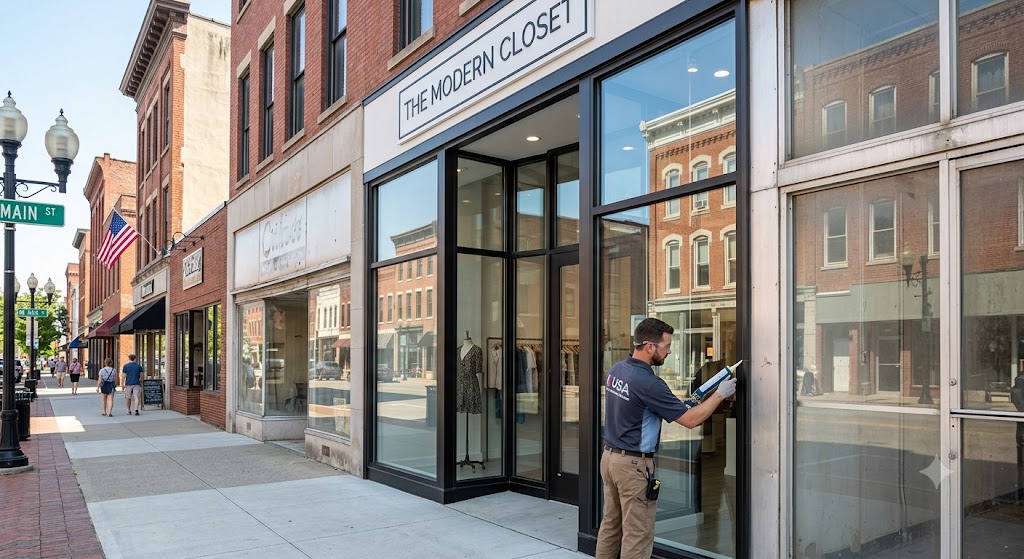
Shop windows replacement USA is one of the most critical financial decisions a retail business owner or commercial property manager can make today. The facade of your building is your first impression. An outdated, damaged, or poorly insulated storefront can silently drive away foot traffic and skyrocket your monthly utility bills. Unlike residential properties, commercial buildings demand heavy-duty materials designed to withstand high traffic, extreme weather, and strict municipal building codes.
Replacing your shop windows isn’t just about fixing cracked glass; it is a comprehensive structural upgrade to your business’s security, energy efficiency, and curb appeal. With modern architectural trends and high-performance glass technologies dominating the market in 2026, there has never been a better time to swap out those aging frames. In this comprehensive guide, we will walk you through the warning signs of failing storefronts, material options, and a complete breakdown of current market costs.
1. Why Commercial Shop Windows Need Timely Upgrades
Most standard commercial storefront aluminum windows are designed to last between 25 and 35 years. However, daily wear-and-tear, severe weather, and ground settling can drastically shorten that lifespan. Before committing to a full renovation, many property owners naturally debate repairing versus replacing. If a window is simply sticking or the hardware is failing, a basic repair might only cost $120 to $250 per window. However, if you are experiencing failed thermal performance such as deep condensation or interior ice dams the unit is not repairable and must be completely replaced.
Here is why upgrading a failing system is essential:
- Security Vulnerabilities: Older, single-pane shop glass is highly susceptible to break-ins and vandalism. Modern upgrades allow you to incorporate laminated safety glass or bullet-resistant panels that rigorously protect your inventory and staff.
- Thermal Inefficiency: Foggy windows or excessive indoor drafts mean the internal gas seals have completely failed. This forces your commercial HVAC systems to work exponentially harder, which drastically increases your overhead operational costs.
- Aesthetic Obsolescence: Customers actively judge a business by its exterior. A sleek, modern frameless glass system or a custom architectural steel frame instantly elevates your brand’s perceived value and modernized appeal.
2. Choosing the Right Framing Materials
When planning a commercial upgrade, executing a strategic shop windows replacement usa project requires selecting the right framing material for your local climate and building height.
Here is a breakdown of the most popular commercial window frame materials on the market today:
- Standard Aluminum: The undisputed leader for ground-floor commercial storefronts, offering an excellent strength-to-weight ratio, high corrosion resistance, and minimal maintenance. It is highly affordable but less thermally efficient than other premium options.
- Thermally Broken Aluminum: Ideal for climate-controlled spaces and high-rise commercial buildings. These advanced frames use an internal structural barrier to prevent heat and cold from transferring through the metal, boosting energy efficiency while retaining structural strength.
- Architectural Steel: A premium choice for high-end retail, historic buildings, and signature showrooms. Steel offers incredible durability (lasting 50-60 years), safely supports massive glass spans, and features stunning ultra-narrow sightlines.
- Frameless Glass Systems: Perfect for ultra-modern retail spaces, these systems utilize structural glazing to eliminate visible metal framing, creating a seamless, uninterrupted all-glass facade.
3. Selecting High-Performance Commercial Glass
The glass package you select dictates the physical security, acoustic control, and thermal performance of your entire storefront. If your business is located on a busy urban street or near an airport, acoustic dampening is just as critical as thermal efficiency. Standard aluminum frames with basic insulated glass offer a Sound Transmission Class (STC) rating of 32 to 34. Upgrading to a dual-laminated Insulated Glass Unit (IGU) system with wide airspace can boost that rating to an impressive 42 to 45, completely transforming a chaotic, loud storefront into a serene retail environment.
| Glass Type | Base Cost (Material) | Installed Cost | Best Application |
|---|---|---|---|
| Single Pane, Tempered | $18 – $25 / sq. ft. | $50 – $70 / sq. ft. | Interior partitions, temperate climates |
| Single Pane, Laminated | $30 – $42 / sq. ft. | $65 – $95 / sq. ft. | High security, acoustic dampening |
| Insulated Glass Units (IGU) | $40 – $55 / sq. ft. | $80 – $115 / sq. ft. | Standard commercial exteriors |
| IGU with Low-E Coating | $48 – $65 / sq. ft. | $90 – $130 / sq. ft. | Maximum energy efficiency |
4. Understanding Costs and Financial Returns in 2026
Budgeting for commercial renovations can be complex. Understanding the current financial landscape of a shop windows replacement usa project is critical for projecting your return on investment.
In 2026, the average cost to install commercial storefront glass ranges from $50 to $150 per square foot. If you are pricing by the unit, standard commercial windows typically run between $800 and $1,800 per unit, while custom architectural windows can climb between $1,500 and $3,500 per unit. For small business owners looking to completely replace their entryway facade, a full storefront system generally ranges from $5,000 to $25,000 or more, depending heavily on the scale and custom specifications.
While the upfront cost is substantial, the long-term ROI is undeniable. For example, upgrading a standard commercial space with high-performance, Low-E insulated glass can yield annual heating and cooling savings of $3,000 to $5,000, offering an 8 to 13-year payback period in energy savings alone. Furthermore, if you manage a multi-unit property, strip mall, or large commercial development requiring more than 20 units, bulk volume discounts can aggressively reduce your per-unit costs by up to 35% to 45%.
5. Navigating Installation and Regional Variations
Commercial window installation is a highly specialized trade. Unlike DIY residential projects, commercial installations must strictly adhere to complex building codes, ADA accessibility requirements, and strict regional safety mandates. For instance, storefronts in coastal regions like Florida or Texas must be equipped with impact-rated glass and highly structural framing to safely withstand hurricane-force winds and pass rigorous inspections.
Additionally, labor costs vary drastically depending on your geographic location. Installation in Tier 1 cities (like New York, San Francisco, or Los Angeles) currently demands $75 to $95 per square foot in pure labor fees. In contrast, suburban or rural commercial markets typically see lower labor rates hovering between $45 and $65 per square foot. Always ensure your commercial glazing contractor is fully licensed, insured, and pulling the appropriate municipal permits (which typically add an additional $300 to $800 to the total project budget).
Final Thoughts on Your Commercial Facade
Upgrading your retail storefront is a major logistical and financial commitment, but the operational payoff is well worth the initial effort. From eliminating drafty entryways and reducing commercial HVAC strain to providing an impenetrable layer of physical security, modern commercial glass systems touch almost every aspect of your business’s daily success.
Take the time to evaluate your current glass, consult with local commercial glaziers about structural engineering requirements, and weigh the benefits of thermally broken aluminum versus architectural steel. Ultimately, executing a well-planned shop windows replacement usa project is about far more than just maintaining your physical building; it is a definitive, high-return investment in your brand’s reputation, your staff’s comfort, and your commercial property’s long-term market value.