



Water Clean-up Restoration After Flooding: A Step-by-Step Guide
Floods can turn a comfortable home into a stressful environment within just a few hours. Rainstorms, hurricanes, broken pipes, and drainage issues can cause significant water damage to floors, walls, furniture, and personal belongings.
Taking timely action can help protect your possessions and prevent further complications. Water clean-up restoration involves removing floodwater from affected areas and cleaning damaged surfaces to help return your home to a comfortable and safe condition.
1. Ensure That Your Home Is a Safe Place

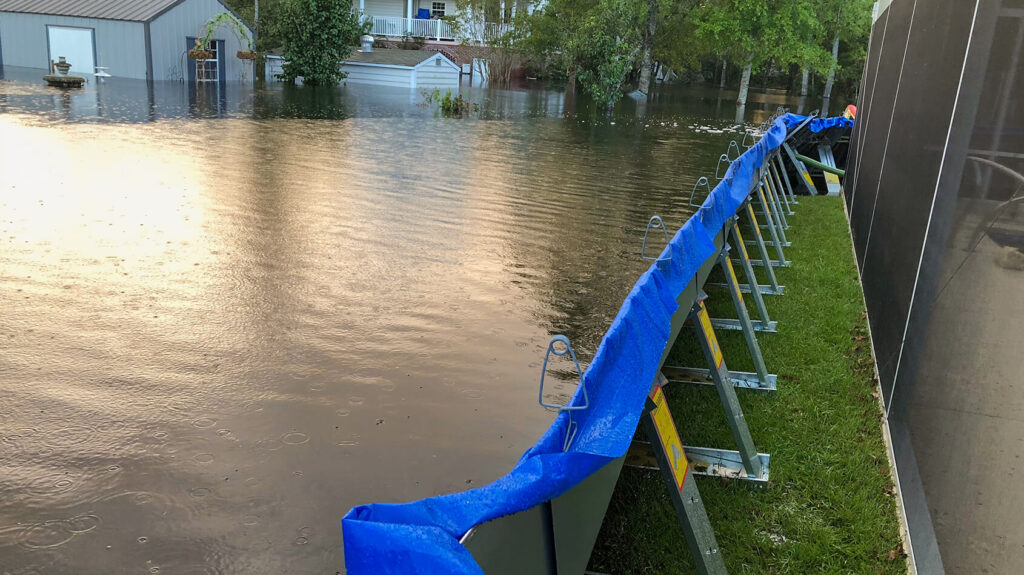
Before starting any cleanup work, make sure your property is safe. Floodwater can contain bacteria, chemicals, sewage, and other contaminated materials that may create health and safety risks.
Follow these important safety precautions:
- Do not use electrical outlets, damaged extension cords, or electrical devices exposed to water.
- Do not turn off the electricity yourself unless you can do so safely.
- Avoid entering rooms with standing water until electrical hazards have been checked.
- Wear waterproof boots, gloves, and protective clothing.
- Keep children and pets away from flooded areas.
- Contact professionals before entering if you notice structural damage or contaminated floodwater.
Safety should always come first. Following these precautions helps protect everyone involved and makes the cleanup process easier to manage.
2. Stop the Source of Water

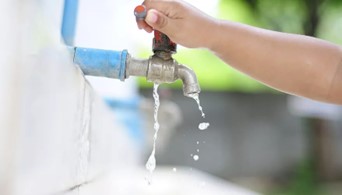
The next step is to identify where the water is coming from. Cleaning a flooded area without stopping the source can result in additional flooding and further property damage.
Common Causes of Household Flooding
- Heavy rainfall and hurricanes.
- Burst or leaking water pipes.
- Roof leaks and damaged gutters.
- Washing machine and dishwasher failures.
- Sewer backups and drainage problems.
- Water heater leaks.
If a pipe has burst, turn off the main water supply if it is safe to do so. If flooding has occurred because of a storm, wait for confirmation that the area is safe before entering.
3. Remove Standing Water Quickly
Once the property is confirmed safe and the water source is under control, removing standing water should become the next priority.
Water can easily penetrate carpets, wooden floors, walls, furniture, and insulation. If moisture is not removed quickly, repair costs may increase and mold growth may become a concern.
Professional Water Clean-up Restoration May Include:
- Industrial water pumps for removing large amounts of standing water.
- Wet vacuums for smaller flooded areas.
- Water extraction equipment for carpets and flooring.
- Proper removal of water-damaged materials when necessary.
- Specialized equipment selected according to the water volume and extent of damage.
In cases of severe flooding, professional water extraction equipment may be more effective than ordinary household cleaning tools. Removing water as soon as safely possible helps prevent moisture from spreading into other parts of the property.
4. Remove Damaged Items and Materials
After removing standing water, inspect the affected rooms and identify belongings and materials that need cleaning, drying, or disposal.
Some belongings may still be saved if they are removed promptly and cleaned properly. However, items exposed to contaminated floodwater may require professional evaluation and cleaning.
Check for the Following Damaged Items:
- Wet carpets and carpet padding.
- Damaged drywall and insulation.
- Wooden furniture and cabinets.
- Mattresses and upholstered furniture.
- Personal belongings and household items.
Avoid throwing away everything that becomes wet. Separate items that may be restored from those that are severely damaged. Document the damage with photographs for insurance purposes.
Organizing damaged belongings properly makes the water clean-up restoration process more systematic and helps minimize unnecessary waste.
5. Dry the Property Completely
Even when there is no visible standing water, your home may still contain hidden moisture. Water can remain inside wall cavities, beneath floors, behind cabinets, and within insulation.
Complete drying is one of the most important stages of the restoration process. Simply looking at or touching a surface is not enough to confirm that the area is completely dry.
Professional Drying May Include:
- High-powered air movers to improve airflow.
- Industrial dehumidifiers to remove moisture from the air.
- Moisture meters to measure dampness in building materials.
- Thermal imaging to help identify hidden moisture.
Drying time depends on the amount of water, building materials, ventilation, and environmental conditions.
Proper structural drying helps prevent continued deterioration and prepares the property for the next stages of restoration.
6. Prevent Mold Growth After Flooding
Mold growth is one of the common problems homeowners may face after flooding. It can develop when moisture remains inside a property for an extended period.
Common Signs of Mold Growth
- Musty or unpleasant smells.
- Dark spots on walls and ceilings.
- Discoloration around windows.
- Visible mold growth near damp flooring.
- Persistent moisture in hidden spaces.
How to Help Prevent Mold
- Remove standing water as soon as it is safe to do so.
- Dry affected materials thoroughly.
- Improve ventilation when outdoor conditions allow.
- Remove items that cannot be properly cleaned or dried.
- Arrange a professional mold assessment when necessary.
Mold prevention should be part of every water cleanup restoration project. If you discover extensive mold growth, avoid disturbing the affected area and seek assistance from a trained mold remediation professional.
7. Repair and Restore Damaged Areas
Once the affected property has been cleaned and thoroughly dried, the repair and reconstruction process can begin.
Depending on the extent of the damage, repairs may include:
- Replacing damaged drywall and insulation.
- Repairing or replacing flooring.
- Restoring cabinets and wooden structures.
- Repainting affected walls.
- Repairing damaged ceilings.
- Checking plumbing and drainage systems.
A proper inspection can help identify which materials need repair or replacement. The goal is not only to improve the appearance of your home but also to restore a safe and comfortable living environment.
Why Choose Tech Vine for Water Damage Restoration in New Orleans?
New Orleans residents face several challenges during flooding because of heavy rainfall, tropical storms, drainage problems, and high humidity. These conditions can make water damage cleanup more difficult.
Choosing the right restoration provider can help reduce stress during the recovery process.
Tech Vine Home Services helps homeowners connect with water damage restoration providers in New Orleans . Instead of spending hours searching for different contractors, homeowners can submit a brief request and get matched with available providers.
Services You Can Find Through Tech Vine:
- Emergency water removal and extraction.
- Flood damage cleanup and restoration.
- Water-damaged floors, walls, and ceilings.
- Drywall, insulation, and flooring repairs.
- Residential and commercial water damage restoration.
- Basement flooding and moisture-related solutions.
Tech Vine operates as a referral system that connects homeowners with local restoration providers. Provider credentials will be shared when available so homeowners can review the information before booking.
Need Help After Flooding in New Orleans?
Find water damage restoration providers through Tech Vine Home Services. Explore available services and submit a request to get connected with local restoration professionals.
Explore Water Damage Restoration ServicesConclusion
The quality of your flood cleanup efforts can make a significant difference in your property's recovery. Taking quick action, removing standing water, drying affected materials, preventing mold, and repairing damaged areas are all important parts of the restoration process.
Professional water cleanup restoration can help identify hidden moisture, reduce the risk of future mold problems, and make property recovery more manageable.
If your property has experienced flooding in New Orleans, do not delay addressing the damage. Take appropriate safety precautions and explore local restoration assistance through Tech Vine Home Services .
Frequently Asked Questions (FAQs)
Water clean-up restoration is the removal of floodwater, the drying of the affected areas, cleaning of contaminated surfaces, the prevention of mold growth, and the repair of damage parts of your property.
Bring out the water as soon as possible Though your home is safe enough to walk through, do the best you can to dry out the water and begin the repair process. Working to remove the water quickly prevents it from penetrating, causing additional damage or water accumulation and mold growth.
The time frame will vary based upon the extent of the flooding, the type of water, and the types of materials affected. Minor clean-up may only take a few days. In large-scale restoration projects, the entire job may take several weeks.
Should you cleanup small floods and minor cleanups in clean water, only if the area is safe. Large floods, sewage backup, contaminated water, and electrical issues must be addressed by professionals.